
Winter weather in Ohio brings unique challenges for homeowners, and your garage door system is particularly vulnerable to cold temperatures. Understanding how freezing weather impacts your garage door springs, sensors, and overall home safety can help you prevent costly repairs and dangerous malfunctions during the coldest months of the year.
How Cold Weather Wreaks Havoc on Garage Door Springs
Spring Metal Contraction and Brittleness
Garage door springs are the workhorses of your system, counterbalancing the weight of your door to make opening and closing effortless. When temperatures drop below freezing, the metal in these springs contracts and becomes more brittle. This physical change significantly increases the risk of spring failure.
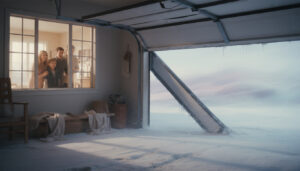
Torsion springs, which are mounted above your garage door, are especially susceptible to cold weather damage. These springs are under constant tension, and when metal contracts in freezing temperatures, the stress on already-tensioned springs increases dramatically. Extension springs, located on either side of your garage door tracks, face similar challenges as the metal loses its flexibility in cold conditions.
Warning Signs of Cold-Weather Spring Problems
Recognizing the early warning signs of spring issues can prevent complete failure and potential injury. Listen for unusual sounds when operating your garage door – grinding, squeaking, or loud banging noises often indicate spring problems. If your garage door opens unevenly, moves slowly, or requires multiple attempts to open completely, your springs may be struggling with cold weather effects.
Visual inspection reveals additional warning signs. Look for gaps in torsion springs, which indicate breakage, or extension springs that appear stretched beyond their normal length. Rust formation accelerates in winter due to moisture and temperature fluctuations, weakening spring metal over time.
Winter’s Impact on Garage Door Sensors and Safety Systems
Sensor Alignment and Functionality Issues
Modern garage doors rely on photo-eye sensors to prevent accidents and injuries. These sensors, typically positioned six inches above the ground on either side of your garage door opening, create an invisible safety beam. When this beam is interrupted, the garage door reverses direction or stops closing.
Cold temperatures affect sensor performance in several ways. Condensation can form on sensor lenses, blocking the beam and causing false readings. Temperature fluctuations cause sensor brackets to expand and contract, potentially shifting sensor alignment. Even minor misalignment prevents proper operation and compromises safety.
Electrical Component Vulnerabilities
Winter weather challenges all electrical components in your garage door system. Garage door openers work harder in cold conditions, drawing more power and generating additional heat. Circuit boards and wiring connections are susceptible to moisture infiltration, which increases during winter months when snow and ice melt around your garage area.
Remote controls and wall-mounted switches may become sluggish or unresponsive in extremely cold conditions. Battery-powered devices lose charge more quickly in cold temperatures, while wired components may experience connectivity issues due to thermal expansion and contraction.
Home Safety and Security Risks During Winter
Structural Vulnerabilities from Garage Door Failures
Your garage door represents one of the largest moving objects in your home, and winter failures create serious safety hazards. A broken spring can cause your garage door to slam shut unexpectedly, potentially causing injury or property damage. Malfunctioning sensors during winter storms might prevent your door from closing properly, leaving your home vulnerable to weather damage and security breaches.
Ice formation around your garage door creates additional risks. Ice can prevent doors from sealing properly, allowing cold air to infiltrate your home and increase heating costs. Accumulated ice and snow can also block safety sensors or interfere with door operation, creating dangerous situations.
Energy Efficiency and Indoor Climate Control
Winter garage door problems directly impact your home’s energy efficiency. Gaps caused by malfunctioning doors allow cold air infiltration, forcing your heating system to work harder. This increased energy consumption translates to higher utility bills and reduced indoor comfort.
Attached garages present particular challenges during winter months. Temperature fluctuations caused by garage door malfunctions can affect adjacent living spaces, while moisture infiltration from malfunctioning seals creates humidity problems that may lead to mold and structural damage.
Essential Winter Maintenance for Garage Door Safety
Preventive Spring Maintenance
Regular maintenance significantly reduces the risk of cold weather spring failures. Apply high-quality garage door lubricant to all moving parts, including springs, hinges, rollers, and tracks, before winter weather arrives. Use products specifically designed for cold weather conditions, as standard lubricants may thicken or become ineffective in freezing temperatures.
Inspect springs monthly during winter months, looking for signs of wear, rust, or damage. Never attempt to adjust or replace springs yourself – the high tension involved makes this work extremely dangerous. Professional technicians have specialized tools and training to safely handle spring repairs and replacements.
Sensor Care and Winter Preparation
Keep sensor lenses clean and free from condensation, snow, or ice accumulation. Use a soft, dry cloth to gently clean lenses, avoiding harsh chemicals that might damage sensitive components. Check sensor alignment monthly by observing the indicator lights – most systems use LED lights to show when sensors are properly aligned and functioning.
Protect sensors from winter weather by ensuring proper drainage around your garage door area. Install or repair gutters to direct water away from sensor locations, and remove snow accumulation promptly to prevent ice formation that could affect sensor operation.
When to Call Professional Garage Door Services
Emergency Situations Requiring Immediate Attention
Certain winter garage door problems require immediate professional intervention. Complete spring failure creates an emergency situation – never attempt to manually operate a garage door with broken springs, as the full weight of the door could cause serious injury. Similarly, if your garage door becomes stuck in the open position during a winter storm, professional service ensures safe closure and weather protection.
Unusual noises, jerky operation, or visible damage to any garage door components warrant professional inspection. Electrical issues, including garage door openers that won’t respond to controls or safety systems that aren’t functioning properly, should be addressed by qualified technicians.
Benefits of Professional Winter Inspections
Professional garage door technicians understand Ohio’s specific winter challenges and can identify potential problems before they become serious issues. Comprehensive winter inspections include spring tension adjustments, lubrication of all moving parts, sensor alignment verification, and electrical system testing.
Professional service providers also offer emergency repair services during winter weather events, ensuring your home remains secure and protected when garage door problems arise during storms or extreme cold conditions.
Protecting Your Investment and Family Safety
Winter garage door maintenance isn’t just about avoiding repair costs – it’s about protecting your family’s safety and your home’s security. Regular professional maintenance, combined with homeowner vigilance and prompt attention to problems, ensures reliable garage door operation throughout Ohio’s challenging winter months.
Don’t wait for a complete system failure to address garage door issues. Cold weather problems tend to worsen quickly, and repairs become more difficult and expensive when performed during emergency situations.
For expert winter garage door maintenance, repairs, and emergency services in Ohio, contact Ohio Garage Door Guru at (567) 305-6345. Our experienced technicians understand Ohio’s winter challenges and provide reliable solutions to keep your garage door operating safely and efficiently all season long.
Pingback: Broken Spring Repair Example for Homeowners - Ohio Garage Door Guru
Pingback: 9 Top Signs Your Garage Door Needs Service - Ohio Garage Door Guru
Pingback: 7 Best Quiet Garage Door Openers - Ohio Garage Door Guru
Pingback: Why Is Garage Door Jerking? - Ohio Garage Door Guru